

Study
For two weeks, the subjects received a daily supplement containing 750 milligrams of alpha-tocopherol, 90 milligrams of vitamin C, and 60 micrograms of selenium. The main bioactive substance was, of course, alpha-tocopherol.
Before and shortly after supplementation, the researchers took a small amount of blood from the subjects. They extracted the immune cells from these blood and placed them in test tubes alongside cancer cells.
The researchers used K562 cancer cells. These are leukemia cells that can be killed by natural killer cells and are rarely killed by other immune cells in the blood. This study, therefore, primarily reveals the effect of vitamin E on NK cells.
Results
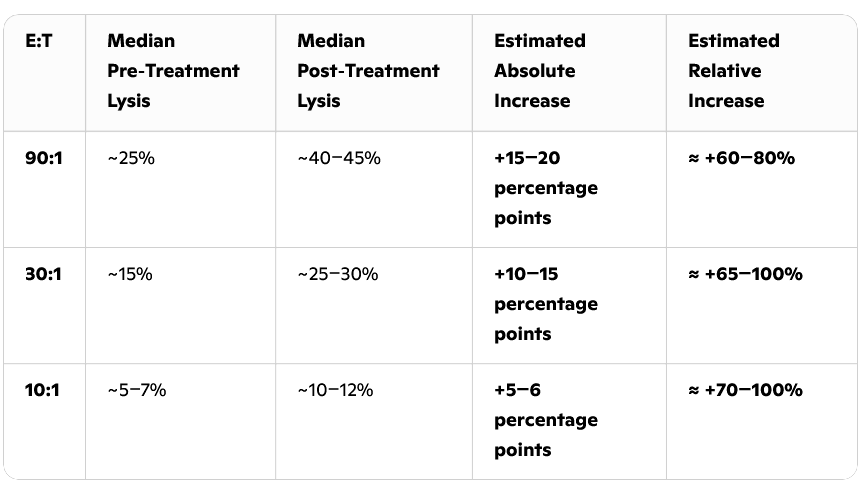
The NK cells of 6 of the 7 subjects eliminated more K562 cells after vitamin E supplementation. The difference was statistically significant for all studied ratios of immune cells to K562 cells.
Click on the figure and table below for a larger version. Lysis = elimination of a cancer cell.

NKG2D is a receptor that recognizes diseased cells. Thanks to NKG2D, NK cells recognize cancer cells, severely damaged cells, and virally infected cells, and then eliminate these cells. You can read more about activating NKG2D here.

Another mechanism
Some tumors produce large amounts of ROS, which inhibit NK cells. ROS are also released when NK cells clear cells infected by viruses. If NK cells have incorporated vitamin E molecules into their membranes, they may be able to tolerate more ROS.
Quite a bit
The dosage of alpha-tocopherol used is quite high. The EFSA has set the upper limit for the daily intake of vitamin E for adults at 300 milligrams. [EFSA Journal. 2024;22:e8953.]
Furthermore, a high intake of alpha-tocopherol displaces other forms of vitamin E.
Finally, administering antioxidants like vitamin E in high doses can protect cancer cells from free radicals. Both many conventional cancer therapies and the immune system attempt to control cancer cells through free radicals. Long-term administration of excessively high doses of alpha-tocopherol could theoretically arm cancer cells against chemotherapy, radiation, and the immune system.
Ergonauts who want to boost their immune systems with vitamin E might be wise to use significantly lower doses than the dose used in this study.


