

Study
The researchers used powdered vitamin C dissolved in water. The dosage was 60 milligrams of vitamin C per kilogram of body weight. A 70-kilogram student therefore consumed 4.2 grams of vitamin C.
Yup. That's a lot.
At various points, the researchers took small blood samples from the students, extracted the NK cells, and injected them into K562 cancer cells. They then determined how effectively the NK cells eliminated the cancer cells.
Results
As far as the immunologists could tell, the single dose of vitamin C had no effect on the number of NK cells. One to two hours after administration, NK cell activity was slightly lower than before. Afterward, activity increased significantly, reaching a maximum after 24 hours.
A further day later, 48 hours after administration, the cancer-killing activity of the NK cells had returned to its previous level.
Click on the table and figure below for a larger version.
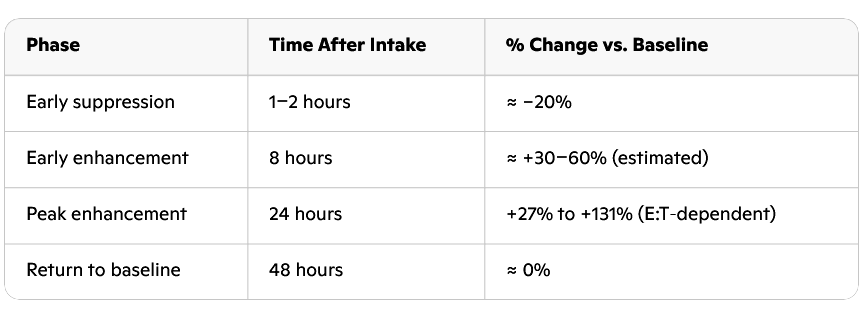
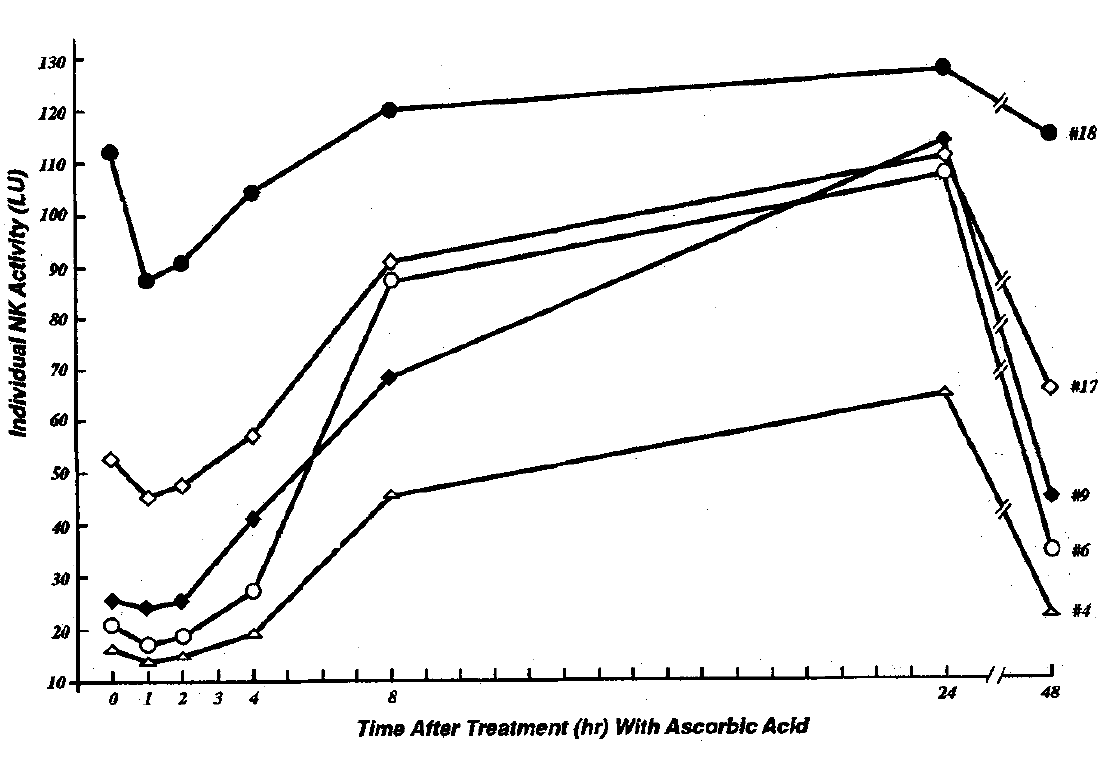
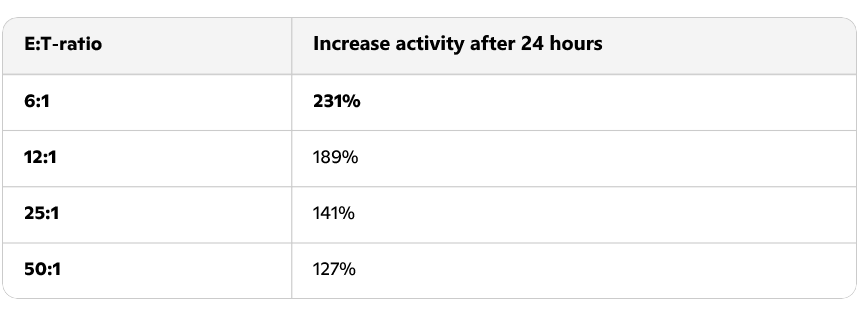
In the experiments in which the researchers determined how many cancer cells the NK cells could eliminate, the immunologists used cancer cells and NK cells in different ratios. These ratios are officially called E:T ratios.
The immunologists discovered that the positive effect of vitamin C was greater the more cancer cells they added to the NK cells. The harder the NK cells had to work, the greater the effect of supplementation. The researchers suspect that the high dose of vitamin C in the NK cells increases the production of proteins that NK cells use to eliminate rogue cells.
Conclusion
The researchers hope that administering vitamin C as a complementary medication can improve the chances of cancer patients. The same applies to people with compromised immune systems fighting viral infections. NK cells not only eliminate cancer cells, but also cells infected by viruses.
The researchers came up with the idea after discovering that cancer therapies involving interleukin-2 and interferon-gamma cause vitamin C levels in the body to decrease.


