Study
In addition, they measured vitamin C concentrations in the participants' blood.
Based on scientific literature, they hypothesized that vitamin C might be even more important for brain cells than for other cell types. [Trends Neurosci. 2000 May;23(5):209-16.]
Results
The higher the vitamin C concentration in the blood, the more gray and white matter the researchers observed on the MRI scans. The figure below illustrates this. Click on it for a larger version.
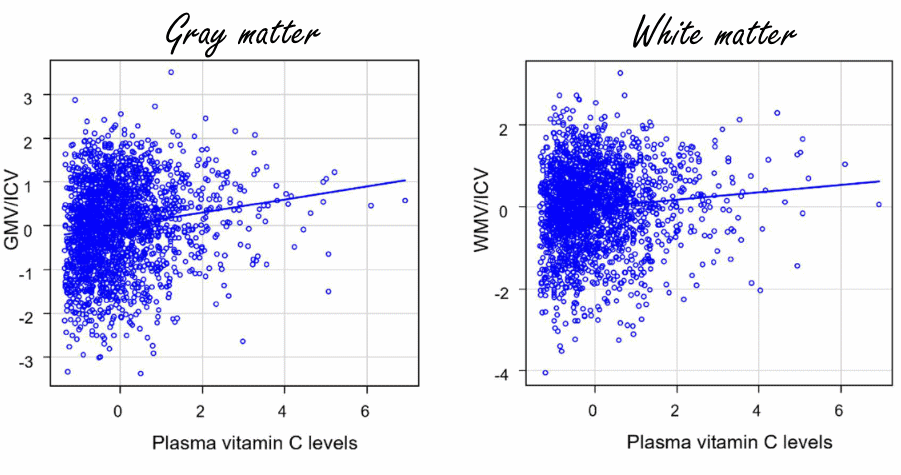
Gray matter is the part of the brain where actual information processing takes place. White matter is the part of the brain that transmits information.
As people age, their gray and white matter volume decreases. The greater this loss, the higher the risk of cognitive decline. A relatively high vitamin C level appears to mitigate this effect.
The effect of vitamin C was robust and convincing, though not overwhelmingly large. Aging, education, diabetes, and smoking had a greater impact.

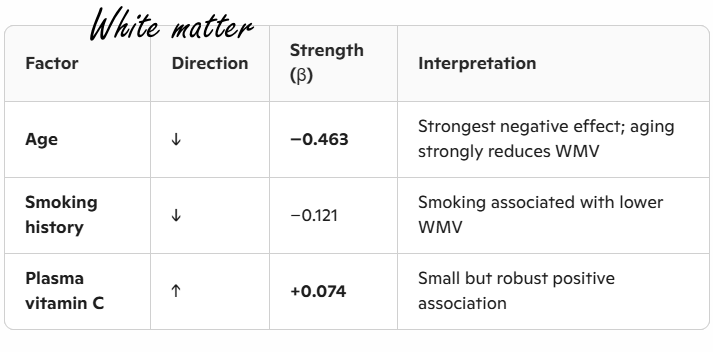
Nevertheless, the Japanese researchers suspect that increasing vitamin C levels might be a way to slow down mental aging.
"The findings highlight the potential importance of plasma vitamin C levels in brain health and suggest the need for further research to explore the underlying mechanisms and potential therapeutic implications," they write.