Study
The researchers divided their subjects into a placebo group and an experimental group. For a year, all subjects took a capsule twice a day with a meal. The placebo group received capsules without active ingredients, while the experimental group received algae oil.
The subjects in the experimental group consumed 2 grams of algae oil daily. This contained approximately 900 milligrams of DHA. That is a relatively high amount, but according to the EFSA, that dose is still safe. According to the EFSA, DHA is safe up to a daily dose of approximately one gram per day. [EFSA J. 2026 Jan 14;24(1):e9858.]
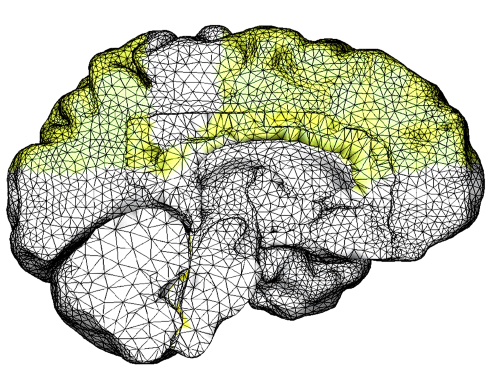
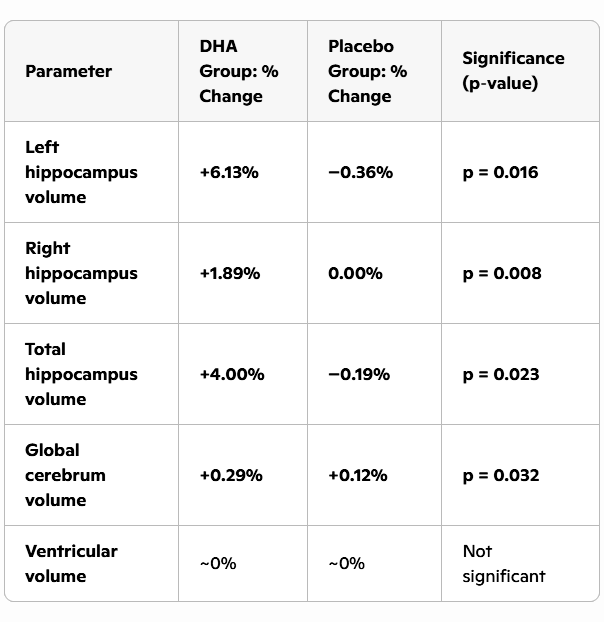
Just before the supplementation period began, the researchers performed scans of their subjects' brains. In addition, they determined their cognitive abilities using tests. The researchers repeated this procedure on the last day of the supplementation period.
Results
Although the subjects did not change their diet, the experimental groups lost body weight [BM]. This was particularly the case for the group that only trained. They lost nearly 7 kilos on average.
The group that combined training with cinnamon supplementation lost nearly 6 kilos. Apparently, cinnamon supplementation reduces weight loss caused by intensive training.
Click on the tables below for a larger version.
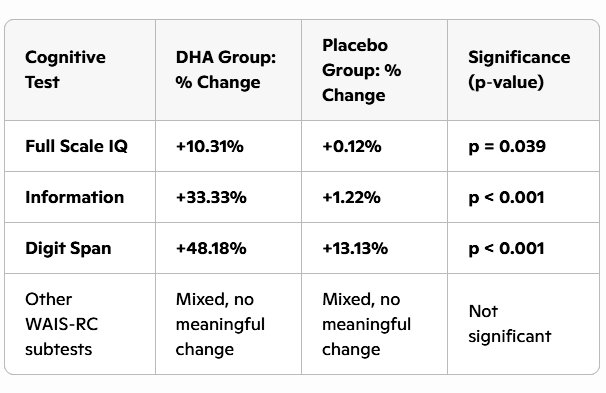
IQ has multiple components. Supplementation with DHA only affected two of them - but this effect was large in both cases.
One of those components was the information dimension. Roughly speaking, this is the knowledge you gather through education and living in a language-based culture. IQ tests determine this knowledge through questions such as 'what is the constitution' and 'who was Napoleon'. In the DHA group, scores on this dimension increased by 33 percent.
The effect of DHA supplementation on digit span was even greater. This aspect relates to the ability to store numbers in working memory and perform calculations with them. In the DHA group, digit span increased by 48 percent.
Mechanism
The researchers suspect that the brain cells of their test subjects began to function better due to the incorporation of DHA molecules into their membranes. Membranes become more flexible through the uptake of n-3 fatty acids. As a result, receptors function better.
In addition, the researchers point to literature in which n-3 fatty acids - for example, in conjunction with physical exercise or B vitamins - increase the production of BDNF. BDNF stimulates the development of brain cells.
Conclusion
"These findings suggest that DHA supplementation [...] in mild cognitive impairment subjects can significantly improve cognitive function and slow the progression of hippocampal atrophy", write the researchers. "Larger, longer-term confirmatory studies are warranted."