
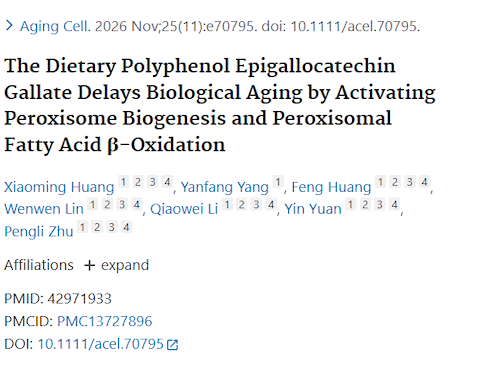
Epidemiological study
During this eight-year period, the researchers measured DNA aging in the participants' blood cells using the PhenoAge method. We have previously written more about PhenoAge here and here.
Additionally, the researchers tracked which participants passed away. 11.6 percent of the participants died during the course of the study.
The participants had kept records of their food and beverage consumption for a short period. Based on this, the researchers estimated the daily EGCG intake for each participant. They then calculated the relationship between EGCG intake and both the rate of aging and the risk of death.
The researchers adjusted their analysis to account for lifestyle factors, including age, sex, ethnicity, income level, smoking status, alcohol consumption, physical activity, total caloric intake, high blood pressure, and diabetes.
Results
The researchers categorized the participants into three groups: those who did not drink tea (and thus consumed no EGCG), those who consumed between 0 and 1.42 milligrams of EGCG daily, and those who consumed more than 1.42 milligrams daily.
The latter two groups experienced a slower rate of aging. According to the PhenoAge biological clock, participants in these two groups aged half a year less than those in the first group. The risk of death in these two groups was more than fifteen percent lower than in the group that never received EGCG.

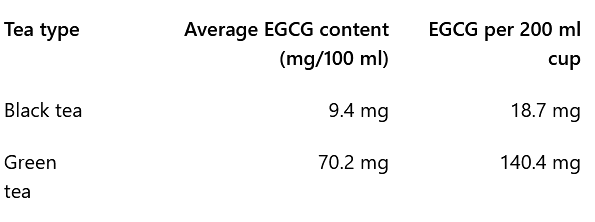
1.42 milligrams of EGCG is not a large amount. A cup of green or black tea contains many times this quantity.
Animal study
In animal studies—specifically experiments involving small worms—researchers investigated how EGCG slows down the aging process. While it remains unclear to what extent these mechanisms are relevant to humans, the findings are nonetheless striking.
In the intestinal cells of the worms, EGCG increased both the number and the activity of peroxisomes. Peroxisomes are small, vesicle-like structures within cells that break down very long-chain fatty acids and hydrogen peroxide.
Furthermore, peroxisomes produce ether-vinyl compounds, which are used by brain, nerve, and heart cells in the construction of their membranes.

Conclusion
"EGCG intake was inversely associated with human biological aging metrics, while experimental findings support a peroxisome-centered mechanism for its longevity and anti-senescent effects," the researchers summarize.
"These findings refine current understanding of EGCG-associated anti-aging biology and suggest that modulation of peroxisomal pathways by natural compounds may represent a feasible strategy to promote healthy aging."
Carotenoids such as zeaxanthin and lycopene increase peroxisome activity. A diet rich in carotenoids might well enhance the anti-aging effects of EGCG.
Just saying.


