Study
Many methadone users suffer from psychological and cognitive problems. The researchers wondered whether supplementation with spirulina could remedy this.
The Iranians divided the subjects into an experimental group and a control group. For twelve weeks, the experimental group took 500 milligrams of spirulina powder every morning and every evening. The daily dose was therefore 1 gram.
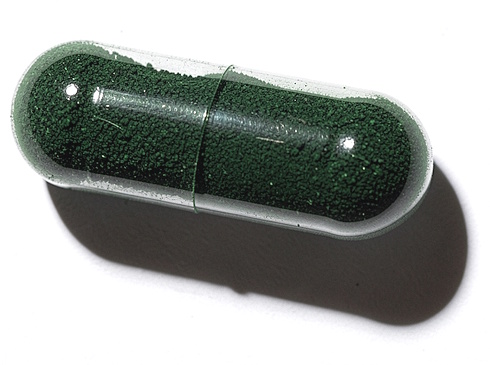
The powder was contained in capsules. The subjects in the control group received capsules without active ingredients.
Results
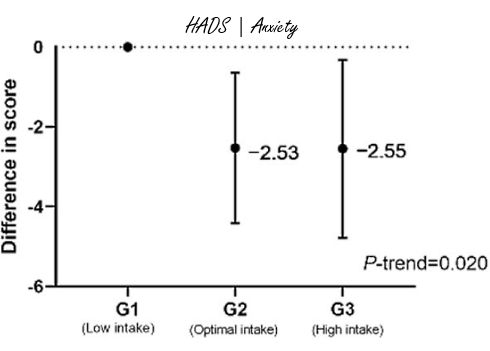
Spirulina supplementation had no effects on sexuality, cognitive abilities, depression, or opioid cravings. Spirulina, however, did result in a statistically significant decrease in reported feelings of anxiety and stress.
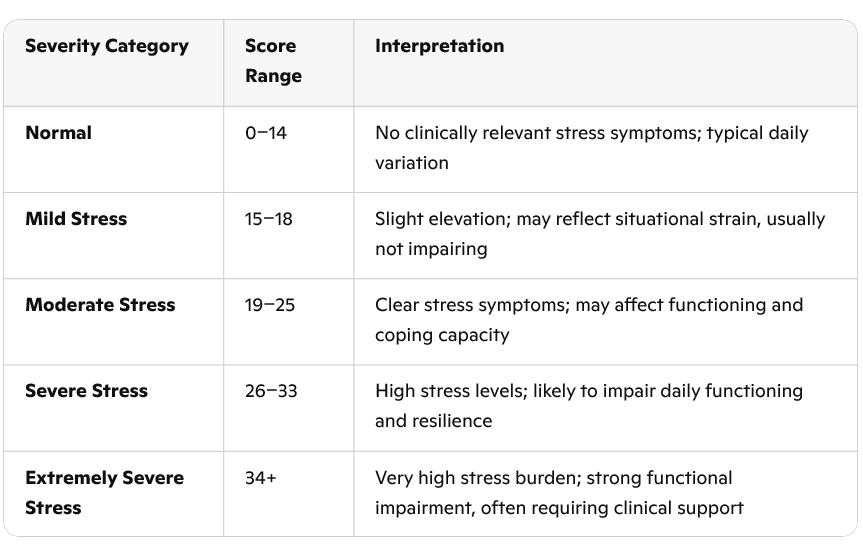
The researchers assessed anxiety and stress by having the subjects complete the standardized DASS-21 questionnaire just before supplementation began and at the end of the supplementation period. Scores for anxiety and stress decreased by 6 and 7 percent, respectively.
These shifts had little clinical significance. Even after 12 weeks of supplementation, the subjects in the experimental group continued to suffer from severe anxiety, which hampered daily functioning. Furthermore, the subjects were still struggling with moderate stress after 12 weeks of supplementation.
Click on the tables below for a larger version.


Mechanism
In animal studies, phycocyanin supplementation increases BDNF activity in the brain. [Food Chem Toxicol. 2020 Nov:145:111684.] Spirulina can consist of up to a quarter phycocyanin. Because BDNF stimulates brain cells to develop and repair, BDNF could theoretically reduce anxiety and stress.
Conclusion
"Spirulina supplementation may help alleviate anxiety and stress in men undergoing methadone maintenance therapy, suggesting its potential as a supportive intervention", the researchers summarize.