
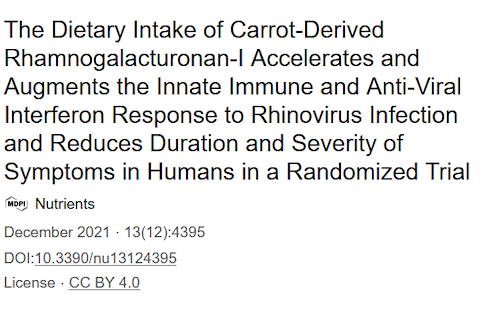
Study
As long as virologists aren't secretly concocting them in their labs, rhinoviruses cause common colds. The main symptoms of an infection are a runny and stuffy nose, sore throat, sneezing, and coughing.
Some of the participants had not received any supplements in the eight weeks prior to receiving the virus. Two other groups of participants had received 300 or 1500 milligrams of rhamnogalacturonan-1 from carrots [cRG-1] daily, respectively.
In the weeks following exposure, the researchers recorded the severity of the viral infection in their participants.
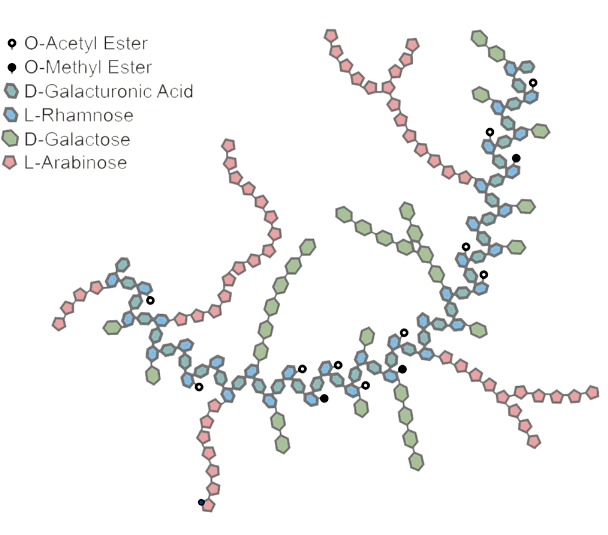
What is cRG-1?
100 grams of everyday orange carrots you buy in the store (and that the real die-hards among us grow in their vegetable gardens) contains 1,558 grams of pectin. [Eur Food Res Technol. 2021;247(12):3053-62.]
Some of this is cRG-1, and some of that is absorbable. Absorption is greater when carrots are cooked. A cooking time of 15-20 minutes is optimal.
We estimate that one ounce of cooked and fully cooked carrots provides 110 milligrams of absorbable cRG-1. So, three ounces of cooked carrots easily provide the low dose of 300 milligrams.
Incidentally, RG-1 is not only found in carrots. This type of pectin is also found in bell peppers, tomatoes, eggplant, strawberries, apples, pumpkin, pomegranate, potatoes and watermelon.
Results
The most effective daily dose of cRG-1 was 300 milligrams. This dose reduced symptom severity by roughly 20 percent and symptom duration by 25 percent.
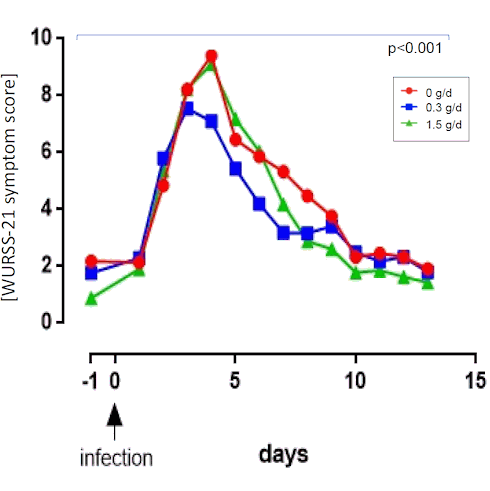
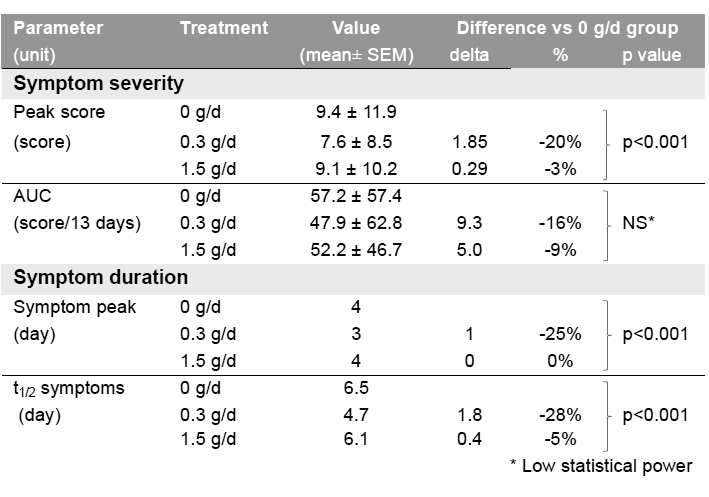
In the nasal mucus of the subjects who had received cRG-1, the researchers found higher concentrations of interleukin-8 [scientific hipsters prefer to call it CXCL8] a few days after infection than in other groups.
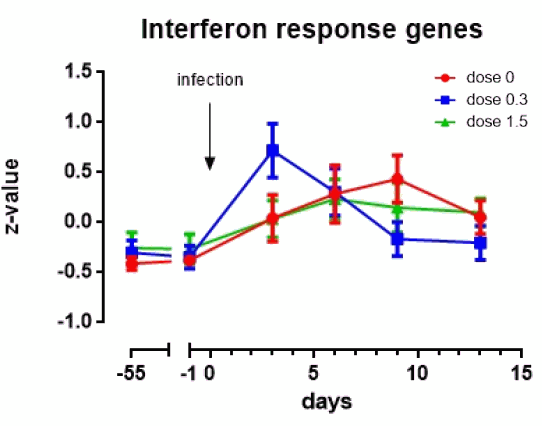
Interleukin-8 is a cytokine that mobilizes immune cells to fight infection. The expression of genes activated by interferon also increased more in the 300-milligram group than in the other groups.

Mechanism
The small intestine cannot break down cRG-1. When cRG-1 enters the large intestine, it binds to the Toll-like receptors of immune cells such as dendritic cells and macrophages. This binding activates these immune cells, which then travel to other organs whewre they accelerate the immune system's response if necessary.
Approved
The EFSA has deemed cRG-1 safe for use in supplements and functional foods. [EFSA Journal. 2025;23:e9537.]


