AstraGin
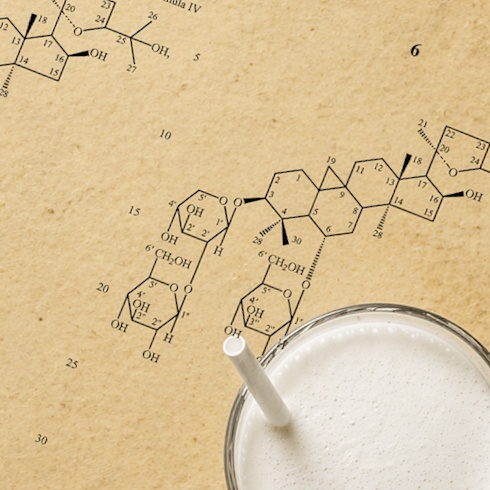
AstraGin is a blend of a 10:1 ethanol-based extract of Astragalus membranaceus and a 50:1 water-based extract of the ginseng species Panax notoginseng. NuLiv claims that AstraGin improves the absorption of nutrients such as amino acids and creatine.
Sponsored
The study we are discussing today appeared in Nutrients in February 2016. The authors are affiliated with Chung Shan Medical University in Taiwan and, according to the publication, were paid by their university.
However, in a press release, Richard Wang, the CEO of NuLiv, leaves no doubt about who paid for the trial in Nutrients. [prnewswire.com Mar 24, 2026.] "Publishing our latest study in a journal with an impact factor of 6 is a major milestone," said Wang. So, we are talking about a sponsored study.
Study
The participants supplemented their diet with whey. They took 0.8 grams of whey per kilogram of body weight daily.
The researchers performed the above procedure twice. On one occasion, the participants took a placebo twice a day: once before breakfast and once after their workout. On the other occasion, each capsule contained 50 milligrams of AstraGin. This means that the participants took a total of 100 milligrams of AstraGin daily for four weeks.
According to the EFSA, that dose is actually on the high side. In 2020, the EFSA set the daily safe intake of AstraGin at 35 milligrams. [EFSA J. 2020 May 13;18(5):e06099.] We will leave it open whether that guideline isn't a bit too strict.
Results
Supplementation with AstraGin increased amino acid uptake compared to the placebo. Where you see an asterisk in the tables below, the researchers concluded there was a statistically significant increase.
You will see few asterisks in this post. The effects of AstraGin described in the study were statistically significant only regarding the uptake of a few amino acids.
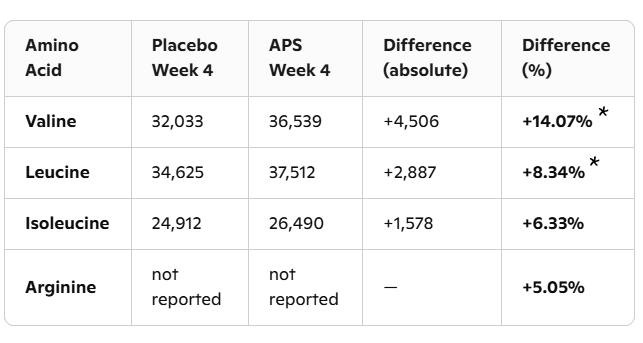
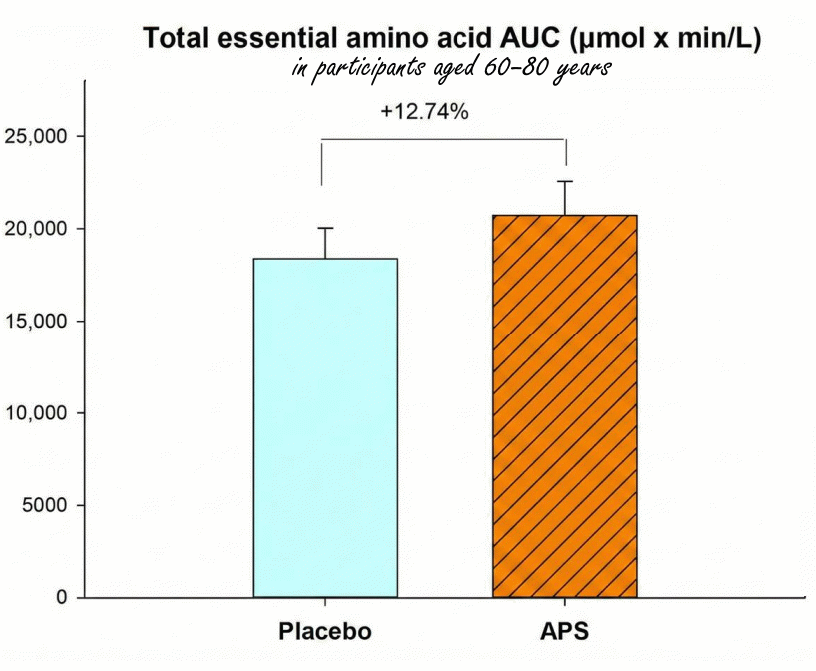
The increase in amino acid absorption due to AstraGin was optimal in those over sixty. In that group, the absorption of essential amino acids increased by nearly 13 percent due to AstraGin.
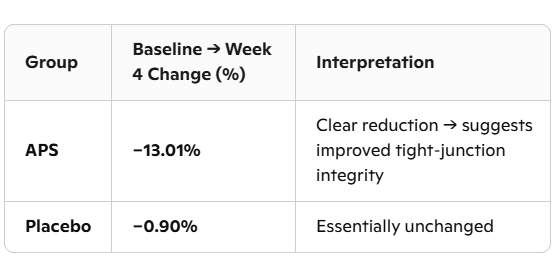
During the AstraGin period, the concentration of zonulin in the subjects' blood decreased. Zonulin is a protein that makes the intestinal wall permeable to nutrients—but also to toxins. A lower concentration of zonulin suggests that the intestines are better able to keep toxins out.
The components in AstraGin are therefore not harmful to the health and functioning of the intestines. They allow the transport mechanisms of the intestinal cells to function better - and as a result, amino acid absorption increases.
Conclusion
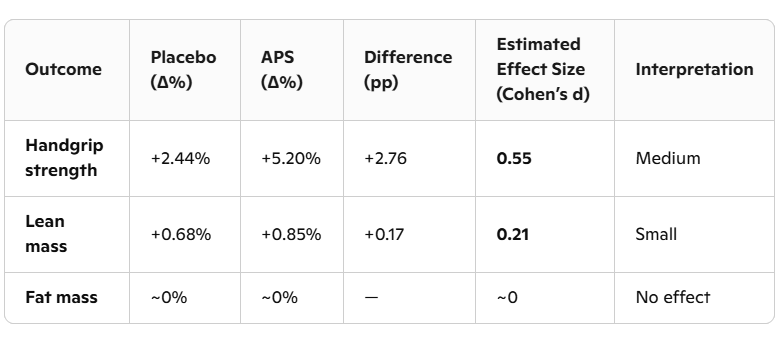
"Astragalus and Panax saponin extract is a safe and effective plant-based supplement for supporting protein nutrition, enhancing intestinal barrier integrity, and improving muscle function, particularly in older adults, individuals with age-related muscle loss such as sarcopenia, and those with compromised gut health," the researchers conclude.