|
Definition: "An ergogenic aid is any substance or phenomenon that enhances performance "
|
|
||||||||
03.10.2014 |

|
|
Blood flow restriction sets at the end of a workout build more strength
Strength athletes can build up more strength by adding four light sets of squats or bench presses to their workout schedule. But it'll only work if they use wraps to restrict the blood flow to their thighs or upper arms before performing the sets, write sports scientists from Emporia State University of Oklahoma in the Journal of Strength and Conditioning Research.
Blood flow restriction training
Study
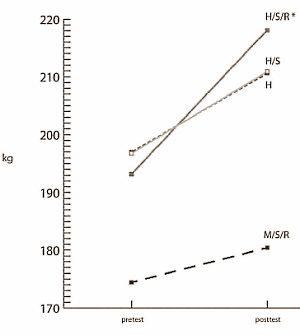
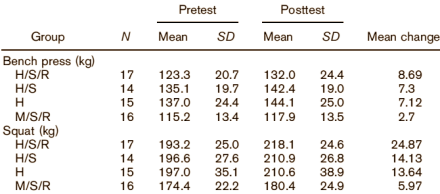
H = traditional high intensity strength training with relatively heavy weights, including squats and bench presses.
H/S = traditional high intensity strength training with relatively heavy weights, including squats and bench presses. The subjects supplemented their leg and chest training with 4 sets of squats and 4 sets of bench presses of 30-20-20-20 reps with a weight of 20 percent of their 1RM.
The researchers used Grizzly Fitness powerlifting elastic knee wraps for this. [grizzlyfitness.com] They are shown above.
M/S/R = traditional high intensity strength training with relatively heavy weights, without squats and bench presses. The subjects supplemented their leg and chest training with 4 sets of squats and 4 sets of bench presses of 30-20-20-20 reps with a weight of 20 percent of their 1RM, tying elastic bands around the upper part of their upper arms and upper legs.
Results
Equal second came the H and HS groups. The extra sets of squats and bench presses that the HS group did had no additional effect.
The M/S/R group scored worst.
Conclusion
"The results of this study indicate that practical blood flow restriction training can be effective in increasing 1RM squat performance when added to an off-season, high-intensity collegiate American football strength and conditioning program", the researchers write.
"Elastic powerlifting knee wraps are relatively affordable and easy to use compared with traditional blood flow restriction methods. This reduction in the cost and complexity typically associated with blood flow restriction training provides athletic programs, teams, coaches, and athletes an increased opportunity to incorporate blood flow restriction into their strength and conditioning programs."
Source:
More: |
|